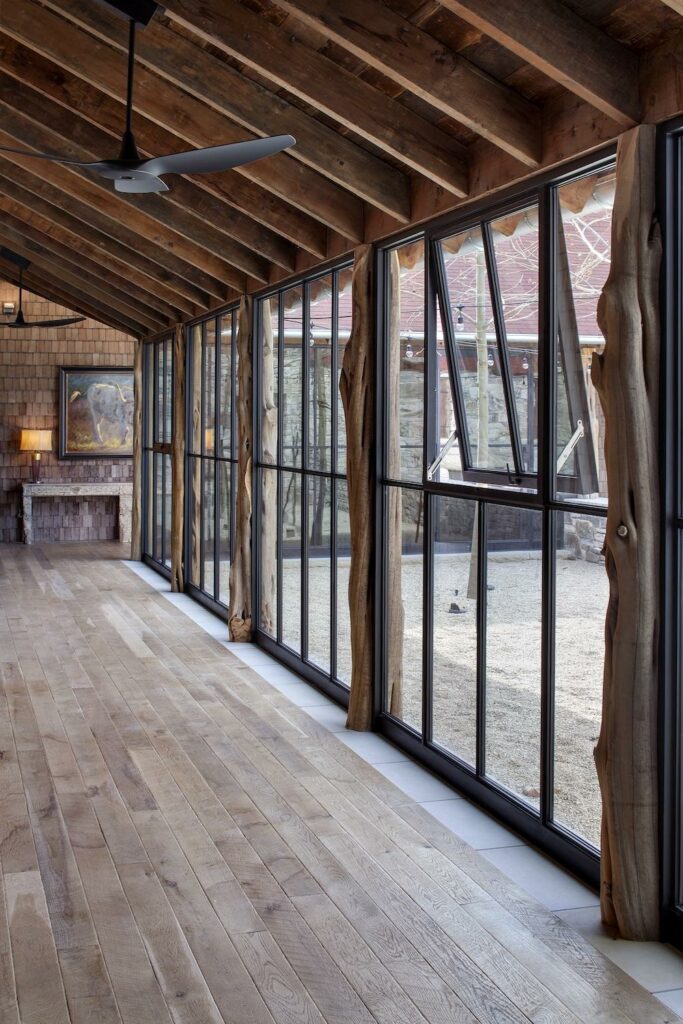
Steel frame projects are a hallmark of modern architecture, combining strength, durability, and versatility. Their structural efficiency allows for expansive designs that incorporate large, insulated windows to enhance natural lighting and energy efficiency. For such projects, advanced glazier techniques are crucial to achieving precision, performance, and aesthetics. This guide explores the role of insulated windows in steel frame projects and delves into the glazier techniques that ensure flawless installation and long-term durability.
The Significance of Steel Frame Projects in Modern Construction
Steel frame projects have revolutionized the construction industry by offering unparalleled strength and adaptability. Key advantages include:
Structural Integrity: Steel frames can support larger spans, allowing for open-plan designs and creative layouts.
Sustainability: Steel is a recyclable material, making it an environmentally responsible choice.
Compatibility With Modern Materials: Steel frames seamlessly integrate with glass and other contemporary building materials.
These benefits make steel frame projects the perfect foundation for advanced glazing solutions like insulated windows, which enhance energy efficiency and aesthetics.
Insulated Windows: A Vital Component in Steel Frame Architecture
Insulated windows play a pivotal role in steel frame projects, offering numerous benefits such as:
Energy Efficiency: By minimizing heat transfer, insulated windows help maintain indoor temperatures, reducing energy consumption.
Noise Reduction: Multi-layered glass panes and gas-filled cavities dampen external noise, creating a quieter indoor environment.
Enhanced Aesthetics: Insulated glass allows for expansive, clear views while maintaining the building’s sleek, modern design.
To maximize these benefits, precise glazier techniques are essential during installation.
Advanced Glazier Techniques for Installing Insulated Windows
Professional glaziers employ advanced techniques to ensure insulated windows are installed seamlessly and securely in steel frame structures. Here are some key methods:
Precision Cutting and Fitting for Custom Window Sizes
Steel frame projects often require windows of unique shapes and dimensions. Glaziers use advanced glass cutting tools to achieve precise dimensions that fit perfectly within the steel framework. This meticulous process ensures both functionality and visual appeal.
Specialized Sealants for Superior Insulation and Durability
Applying high-performance sealants is critical to maintaining the thermal efficiency and longevity of insulated windows. These sealants prevent air and moisture infiltration, protecting the glass from damage and ensuring consistent performance over time.
Thermal Break Integration for Optimal Energy Efficiency
In steel frame projects, thermal bridging can lead to significant energy loss. Glaziers address this by incorporating thermal breaks between the frame and the glass. This technique minimizes heat transfer, enhancing the building’s overall energy efficiency.
Common Glazing Challenges in Steel Frame Projects and How to Overcome Them
Steel frame projects pose unique challenges for glaziers. However, with the right techniques and tools, these obstacles can be effectively addressed:
Differential Expansion: Steel and glass expand at different rates under temperature fluctuations. Glaziers use flexible mounting systems to accommodate this expansion and prevent stress fractures.
Heavy Glass Panels: Insulated glass can be quite heavy, requiring specialized lifting equipment and installation methods to ensure safety and precision.
Weatherproofing: Ensuring airtight seals between the steel frame and glass is crucial in preventing leaks and drafts, particularly in extreme weather conditions.
The Importance of Professional Glass Repair and Maintenance Services
Even the most expertly installed insulated windows require regular maintenance to retain their performance and appearance. Professional glaziers offer essential services such as:
Glass replacement or repair for chips, cracks, or other damages.
Reapplication of sealants to restore insulation and weatherproofing.
Inspection and adjustment of thermal breaks and mounting systems to address wear and tear.
By partnering with experienced professionals, property owners can extend the lifespan of their insulated windows and maintain the integrity of their steel frame buildings.
Why Precision Matters in Glass Cutting for Steel Frame Projects
Precision is the cornerstone of successful glazing in steel frame projects. Advanced cutting tools, such as CNC machines, allow glaziers to achieve perfect edges and angles, ensuring a flawless fit. This not only enhances the visual appeal but also improves the structural integrity of the window installation. Custom glass sizes and shapes can be seamlessly integrated into complex steel frame designs, showcasing the versatility and craftsmanship of modern glazing techniques.
Partner With Expert Glaziers for Long-Lasting Insulated Windows in Steel Frame Projects
Achieving the perfect balance of aesthetics, performance, and durability for insulated windows in steel frame projects requires the expertise of professional glaziers. A trusted team can handle every aspect of the process, from custom glass cutting to precision installation and maintenance. By partnering with experienced professionals, you can ensure your steel frame project stands out for its architectural brilliance and energy efficiency. Take the next step in realizing your vision by consulting a reliable glazing team today!
Steel frame buildings have become increasingly popular for their durability, versatility, and cost-effectiveness. They provide a robust structural foundation that supports various architectural designs and functions. When it comes to installing roofs on steel frame buildings, understanding the unique aspects of these structures is essential for achieving long-lasting results. This guide delves into the intricacies of steel frame buildings and offers insights into choosing and installing durable roofs that complement their design.
Why Steel Frame Buildings Are the Backbone of Modern Construction
Steel frame buildings are celebrated for their strength and adaptability. Here are some reasons why they are a cornerstone of modern construction:
Durability and Longevity: Steel is resistant to rot, pests, and extreme weather conditions, making it an excellent choice for long-lasting structures.
Design Flexibility: The lightweight yet strong nature of steel allows architects to create open spaces and unique layouts.
Eco-Friendly Construction: Steel is recyclable, which makes it an environmentally sustainable material.
Cost Efficiency: Faster construction timelines and reduced material waste result in significant cost savings.
Understanding these benefits is crucial when planning the installation of a roof, as the roof must align with the steel frame’s structural integrity and aesthetic.
The Role of Roofs in Protecting and Enhancing Steel Frame Structures
Roofs are not just functional components but integral to the performance and appearance of steel frame buildings. A properly designed roof ensures:
Protection Against Weather Elements: A durable roof shields the building from rain, snow, wind, and UV radiation.
Thermal Efficiency: Modern roofing materials enhance insulation, reducing energy costs for heating and cooling.
Structural Support: The roof design contributes to the overall stability and balance of the steel frame.
Selecting the right roof type and material is essential for maximizing these benefits while complementing the steel framework.
Exploring the Best Roof Types for Steel Frame Buildings
The choice of roof type can significantly impact the durability, performance, and appearance of a steel frame building. Here are some of the most popular options:
Pitched Roofs: Classic Design With Practical Benefits
Pitched roofs are a common choice for steel frame buildings due to their ability to efficiently shed water and snow. Their angled design reduces the risk of leaks and pooling, making them ideal for areas with heavy rainfall or snowfall. Additionally, pitched roofs offer ample attic space for insulation or storage, further enhancing the building’s functionality.
Flat Roofs: Modern Aesthetics With Functional Appeal
Flat roofs are often used in contemporary steel frame designs, offering a sleek and minimalist appearance. They provide space for rooftop installations such as solar panels or HVAC units. However, proper drainage systems are critical to prevent water accumulation and maintain the roof’s integrity.
Curved Roofs: Aesthetic and Structural Advantages
Curved roofs are gaining popularity for their unique visual appeal and ability to withstand strong winds. Their aerodynamic design reduces wind resistance, making them suitable for regions prone to storms. Curved roofs also add a modern touch to steel frame buildings, enhancing their architectural value.
Key Materials for Durable Roofs on Steel Frame Buildings
The choice of roofing material is just as important as the roof type. Here are some materials that work well with steel frame structures:
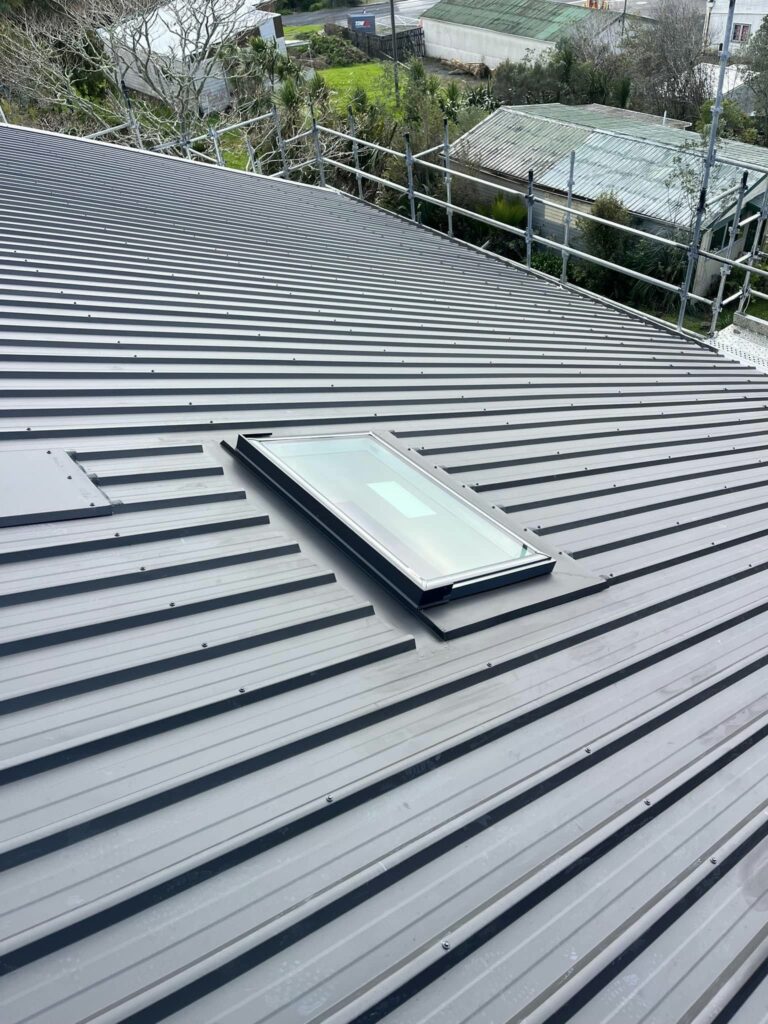
Metal Roofing: Durable, lightweight, and easy to install, metal roofing is a natural choice for steel frame buildings. It’s resistant to fire, pests, and harsh weather conditions.
Asphalt Shingles: While commonly used in residential buildings, asphalt shingles can also be adapted for smaller steel frame structures. They’re cost-effective and available in various styles.
Single-Ply Membranes: Ideal for flat roofs, these materials provide excellent waterproofing and are easy to maintain.
Green Roofs: For eco-conscious projects, green roofs with vegetation layers offer insulation and reduce urban heat island effects.
A Step-by-Step Guide to Installing Roofs on Steel Frame Buildings
Installing a roof on a steel frame building requires careful planning and execution. Here’s a high-level overview of the process:
Structural Assessment: Evaluate the steel frame’s load-bearing capacity to ensure it can support the chosen roof type and material.
Material Selection: Choose a roofing material that matches the building’s purpose, climate, and aesthetic goals.
Roof Framing: Attach purlins or other support structures to the steel frame to create a solid base for the roof.
Installation: Secure the roofing material to the frame, ensuring proper alignment and fastening to withstand weather conditions.
Sealing and Insulation: Apply waterproofing and insulation layers to enhance energy efficiency and prevent leaks.
Inspection: Conduct a thorough inspection to verify the roof’s stability and performance.
Maintenance Tips to Prolong the Life of Your Roof
Regular maintenance is essential for keeping roofs on steel frame buildings in top condition. Here are some tips:
Clean gutters and drainage systems to prevent water buildup.
Inspect for damage after extreme weather events and address issues promptly.
Schedule periodic professional inspections to ensure long-term performance.
Reapply protective coatings or sealants as needed to maintain waterproofing.
Partner With Experienced Roofing Teams for Reliable Results
Installing a durable roof on a steel frame building requires expertise and precision. Partnering with a trusted roofing team ensures that every aspect of the project, from material selection to final inspection, is handled professionally. They can help you choose the best roofing solution tailored to your building’s design, climate, and functional needs. Take the first step toward a reliable and long-lasting roof by consulting a dedicated roofing team today!